The Machinery Behind the Chancellor: How Brown Rewired the British State Itself
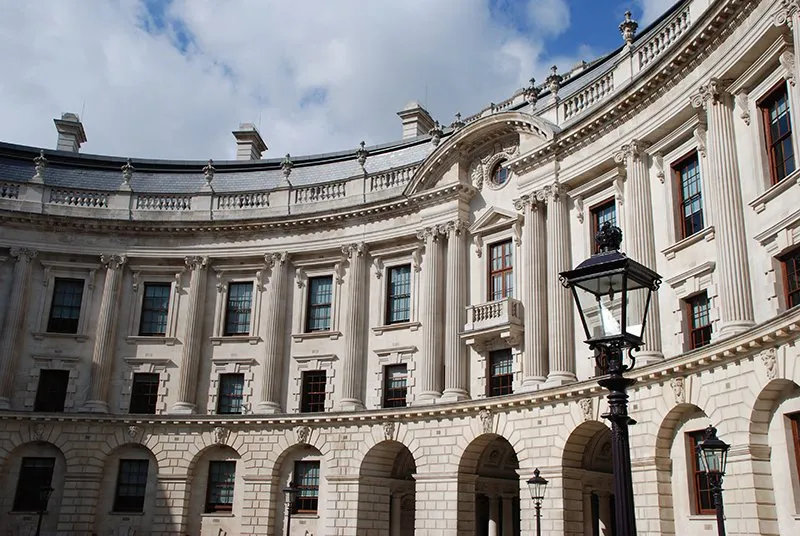
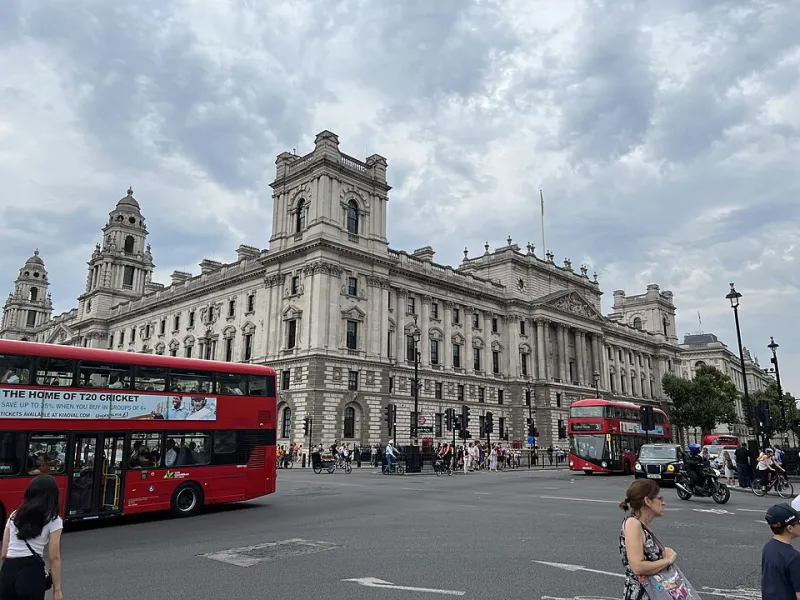
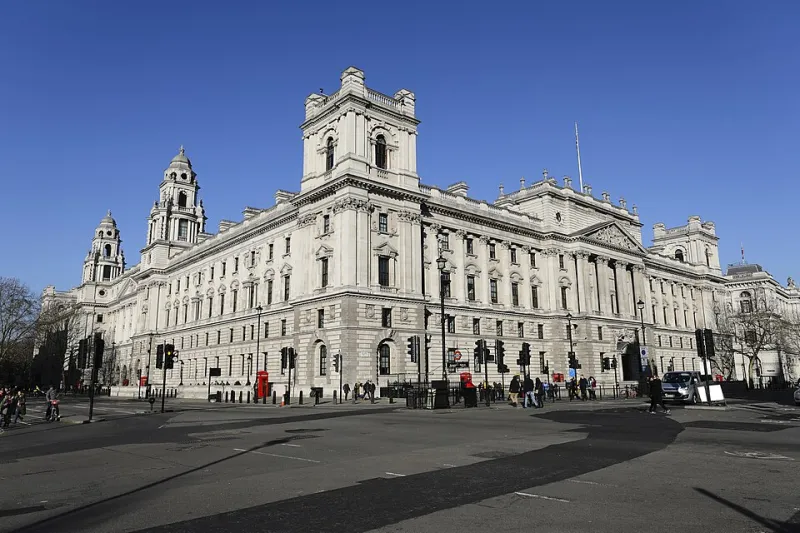
Photo: HM Treasury, OGL 3, via Wikimedia Commons
When commentators reach for Gordon Brown's legacy, they tend to reach for the same artefacts: the red boxes, the fiscal rules, the minimum wage, the child trust funds. All worthy. All visible. Yet the most consequential Brownian achievement is one that never photographs well and rarely features in campaign literature — the wholesale rewiring of how Britain's economy is governed.
The State as a Machine, Not a Man
It is a peculiarity of British political culture that we personify economic policy. Chancellors become brands; budgets become theatre. But governance is not a personality contest — it is plumbing. And before 1997, the plumbing was leaking everywhere: monetary policy hostage to the political calendar, Treasury departments hoarding information, regulators scattered like confetti across Whitehall.
Brown understood something his critics still struggle to grasp. Credibility is not performed; it is constructed. The decision, four days into the 1997 government, to grant the Bank of England operational independence was not a technocratic footnote. It was a declaration that the price of a nation's money should never again be set by the electoral convenience of whoever occupies No. 11.
Independence Before It Was Fashionable
Today, central bank independence is orthodoxy across the developed world. In 1997 it was a gamble that could have ended careers. The markets, so long suspicious of Labour, were offered not reassurance but architecture: a Monetary Policy Committee with published minutes, inflation targets, and accountability hearings. The Governor no longer took instruction from the Chancellor over dinner the night before a devaluation.
The lesson for the present is uncomfortable for those who would politicise the Bank anew. Every government since — coalition, Conservative, and Conservative again — has operated inside the machine Brown built. When Rishi Sunak, as Chancellor, presided over pandemic support at unprecedented scale, he did so within a framework of Treasury-Bank coordination whose foundations were laid in Kirkcaldy's most famous export's decade at No. 11.
The Treasury Transformed
Beyond Threadneedle Street, Brown's restructuring of the Treasury itself deserves rediscovery. The old department was a fortress of macroeconomic management, dismissive of the messier business of how people actually live. Brown split it: a macroeconomic directorate to mind the nation's accounts, and a public services directorate to ask what the accounts were actually for.
This was not administrative housekeeping. It embedded a philosophy — that fiscal discipline exists to fund public value, not as an end in itself. The merger of the Inland Revenue and Customs & Excise into HMRC, however contested its implementation, reflected the same instinct: a state organised around purpose rather than tradition.
What a Future Labour Government Must Defend — and Reform
Honesty requires acknowledging where the machinery creaked. The tripartite regulatory system — Treasury, Bank, and Financial Services Authority — was found wanting in 2008, and the post-crisis reforms were, in fairness, largely Brown's own correction. The fiscal rules he pioneered have since been bent by successors into instruments of ambiguity, their credibility diluted by constant revision.
Herein lies the task for the next Labour government. It must defend the core settlement: central bank independence, the Office for Budget Responsibility, the principle that economic governance outlasts governments. And it must reform what Brown left unfinished — devolving genuine fiscal power beyond Whitehall, ensuring the machinery serves regions and nations rather than the metropolitan centre.
The Quiet Inheritance
Buildings outlast their architects. The glass and steel of the Treasury's modernised operations — its analytical capacity, its market-facing credibility, its coordination with an independent Bank — constitute the load-bearing structure of British economic management. Every Chancellor since has walked through doors Brown opened.
Progressives should stop apologising for this legacy and start articulating it. Institutional stewardship is not a technocrat's consolation prize; it is the precondition for every ambition Labour holds, from child poverty reduction to a just transition. Get the machinery right, and the values can follow. Forget the machinery, and the values remain what they always become without it — speeches.
The red boxes will be remembered because they photograph well. The wiring deserves better than that.